Spinbet, Spinbet Casino and Spinbet nz: Practical Guide to Deposits, Bonuses, and Safe Play
Who this guide helps and the single takeaway
This article is written for New Zealand players considering Spinbet Casino who want actionable steps to deposit safely, evaluate bonuses realistically, and test withdrawals without surprises. The single, concrete takeaway: verify identity and payment flows first, then scale bets only after a successful small withdrawal — that simple sequence prevents most common problems.
Step 1 — Quick pre-check before you register
- Check the operator credentials on the footer: look for a licence number and issuing authority (e.g., Malta, UK, or Curacao). If none is visible, treat the site cautiously.
- Scan the payments page for methods you trust: credit/debit card, e-wallets (Skrill, Neteller), bank transfer, and any NZ-friendly option. Note which methods charge fees or hold funds for extended periods.
- Open the terms and conditions and search for “wagering,” “max bet,” and “withdrawal.” If these items are buried or ambiguous, expect friction when cashing out.
Step 2 — Register, verify identity, then deposit a small test amount
Never jump to a large deposit. Use this three-step sequence:
- Create an account with a strong, unique password and enable any offered account protections (email confirmations, 2FA if available).
- Complete identity verification immediately: upload a government ID and a proof of address. Many casinos suspend withdrawals until KYC documents are cleared; doing it up-front avoids delays.
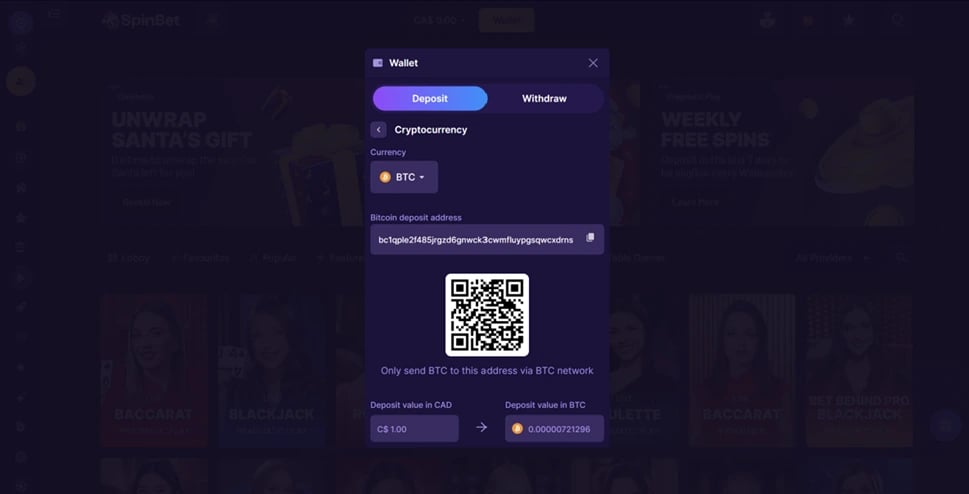
- Deposit a small amount — NZ$20–50 — via the payment method you plan to use long-term. This tests processing speed and reveals any unexpected fees or conversion issues.
How to evaluate the deposit and withdrawal experience
- Timing: e-wallet withdrawals typically appear within 24–72 hours after approval. Card and bank transfers can take 3–7 business days. If the advertised times differ greatly from reality, note it.
- Limits: find the minimum and maximum withdrawal amounts and any weekly/monthly caps. This matters if you plan to play high variance games.
- Documentation: a single successful deposit is not enough — request a small withdrawal to the same method to complete the test. If the casino requests additional documents at this stage, consider that part of the onboarding friction you’ll face on larger amounts.
Practical bonus checklist — what really matters
Bonuses look attractive until you read the fine print. Use this checklist before accepting any offer:
- Wagering requirement: divide the bonus+deposit by the wagering multiplier to estimate the real cost. A NZ$100 bonus with 35x wagering is very restrictive.
- Game contributions: slots usually contribute 100%, but table games, live dealer, and some slots may contribute much less or be excluded.
- Max bet rule: if the casino caps maximum bets while wagering a bonus, it makes clearing the bonus trivially slow.
- Expiration: short expiry (24–72 hours) forces rushed play. Prefer offers with at least 7–14 days unless you’re a very frequent player.
- Withdrawal restrictions: some bonuses prevent withdrawals until a playthrough is complete or exclude certain payment methods.
Choosing games with purpose — RTP, volatility, and demo testing
You don’t need perfect strategies to keep losses predictable. Follow these rules:
- Check RTP (return-to-player) and volatility. High RTP + low volatility = steadier play; low RTP + high volatility = big swings and faster bankroll drain.
- Use demo mode. Test a slot for several hundred spins in demo to sense hit frequency and variance before betting real money.
- For table games, practice strategy charts (e.g., basic blackjack strategy) and understand dealer rules: splash bets, surrender options, and side bets often increase house edge.
Bankroll rules that prevent regret
Adopt these pragmatic limits and revisit them monthly:
- Session budget: set a fixed amount per session you can lose without stress (e.g., 1–3% of your monthly entertainment budget).
- Max loss per day/week: stop playing once you hit the cap. Self-banning options exist — use them if you struggle to stop.
- Withdrawal habit: if you hit a win target (e.g., 3× your starting stake), withdraw a portion immediately — this locks gains and reduces tilt.
Know the common friction points and how to avoid them
| Problem | How to avoid it |
|---|---|
| Bonus denied or partially withdrawn | Read T&Cs: ensure accepted games and max bet rules are followed while wagering. |
| Long KYC process | Upload clear documents on registration; use the same name and details as payment methods. |
| Payment method blocked | Pick universally accepted options (major cards, reputable e-wallets) and avoid intermediary services that trigger AML flags. |
Responsible play and account safety
- Use site tools: deposit limits, loss limits, and cool-off periods are designed to protect you. Set them now, not later.
- Keep records: save screenshots of bonus terms, deposits, and support chats until the transaction cycle is complete.
- If you see suspicious behavior (unauthorized withdrawals, refusal to return funds after satisfying T&Cs), escalate: support → complaint department → payment provider dispute.
Where to start right now
- Create an account and upload KYC documents immediately.
- Make a small deposit and request a small withdrawal to confirm the whole circle works.
- Only after a clean test, top up for regular play and claim a bonus that meets your wagering tolerance.
If you want to visit the operator mentioned here, use this link: Spinbet nz.
Follow this sequence and you’ll avoid the three biggest mistakes new players make: trusting bonuses without T&Cs, ignoring KYC until withdrawal time, and gambling larger than your verified payment limits allow. Verify first, then scale — that’s how you keep fun in the game and avoid headaches later.